Vitiligo is a skin condition characterised by the loss of pigment, resulting in white patches on different parts of the body. While it is not physically painful or contagious, it can significantly affect a person’s confidence and emotional well-being. Early identification is important because timely intervention may help slow progression and support better skin health.

Ayurveda takes a holistic approach to skin conditions. Rather than focusing only on visible symptoms, it seeks to understand the underlying imbalances within the body that may contribute to the condition.

What Is Vitiligo?

Vitiligo occurs when melanocytes, the cells responsible for producing skin pigment, stop functioning or are destroyed. This leads to patches of skin becoming lighter or completely white.

Some common signs and symptoms include:

  • White patches appearing on the skin
  • Premature greying of hair on the scalp, eyebrows, or eyelashes
  • Loss of color inside the mouth or lips
  • Gradual expansion of existing patches

Vitiligo can affect any area of the body, but it is most commonly seen on the hands, face, feet, elbows, knees, and around the eyes and lips. The progression varies from person to person, with some experiencing slow changes while others notice rapid spread.

Ayurvedic Approaches to Managing Vitiligo

Ayurveda approaches vitiligo by addressing the underlying imbalances that may contribute to skin depigmentation. Treatment plans are personalized and often combine internal medicines, external applications, purification therapies, and lifestyle modifications to support overall skin health.

Panchakarma Therapies
Panchakarma treatments help remove accumulated toxins, improve digestion, and restore doshic balance. Therapies such as Virechana are commonly recommended to support internal cleansing and create a healthier environment for skin recovery.

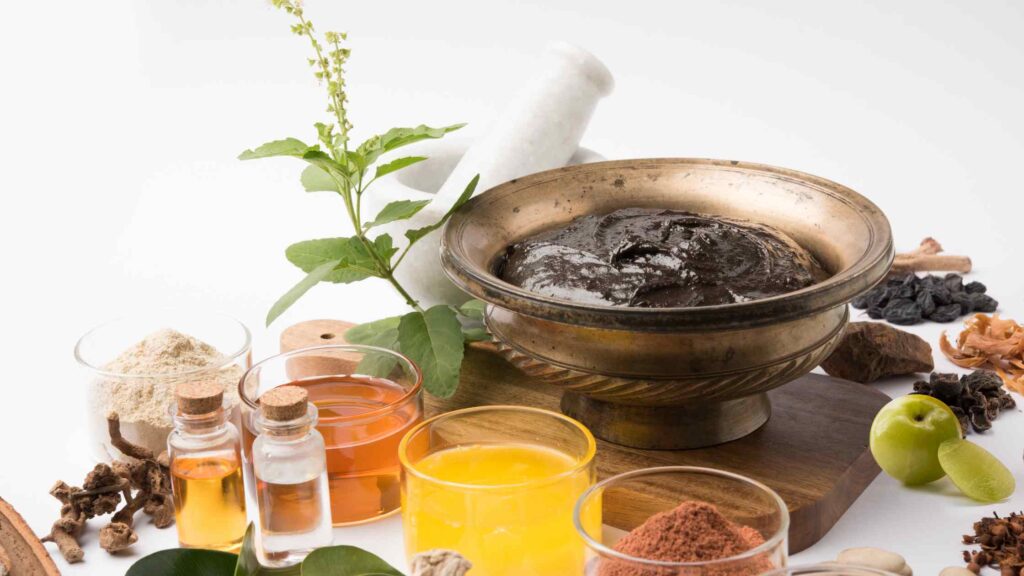
Herbal Formulations
Ayurvedic practitioners may prescribe specific herbal formulations known to support skin health, blood purification, and healthy pigmentation. These formulations are selected based on an individual’s constitution, symptoms, and stage of the condition.

Vitiligo


Medicated Oils and External Applications
Certain Ayurvedic oils and herbal preparations are traditionally applied to affected areas to nourish the skin and support its natural functions. These treatments are often used alongside internal therapies for a more comprehensive approach.

Raktashodhana (Blood Purification Therapies)
Ayurveda places significant emphasis on purifying the blood and improving circulation, as healthy blood is considered essential for maintaining healthy skin and supporting tissue nourishment.

Dietary and Digestive Correction
Strengthening digestion is a key part of Ayurvedic treatment. A personalized diet helps reduce toxin accumulation, improve nutrient absorption, and support the body’s natural healing processes.

Lifestyle and Stress Management Practices
Stress is believed to aggravate doshic imbalances and affect skin health. Yoga, meditation, pranayama, adequate sleep, and a consistent daily routine are often recommended to support emotional and physical well-being.

Daily Habits That Support Skin Health

Small daily choices can have a meaningful impact on overall well-being and skin health:

Prioritize Quality Sleep

Adequate sleep allows the body to repair and regenerate. Poor sleep can contribute to stress and imbalance, which may affect skin health.

Manage Stress Effectively

Stress can influence many aspects of health, including skin conditions. Meditation, breathing exercises, and mindfulness practices can help maintain emotional balance.

Get Appropriate Sun Exposure

Moderate exposure to sunlight may support overall skin health. However, it is important to avoid excessive exposure and follow professional recommendations.

Follow a Consistent Routine

Ayurveda places great importance on routine. Regular meal times, proper hydration, balanced physical activity, and incorporating the Best Morning Drinks into your day can help support digestion and overall wellness.

When to Seek Professional Guidance

While Ayurvedic principles can support skin health, it is important to consult a qualified healthcare professional if you notice new white patches, rapid progression of symptoms, or significant changes in skin pigmentation.

An individualized assessment can help identify underlying factors and determine the most appropriate approach for your specific needs.

Vitiligo is more than a skin condition. It reflects changes occurring within the body and highlights the importance of a holistic approach to health. By recognizing early signs, maintaining healthy routines, incorporating the Best Morning Drinks, and seeking timely guidance, you can take meaningful steps toward supporting overall skin health and long-term well-being.

Holistic Healing Stories at Sri Sri Ayurveda Hospital


For those looking to deepen this journey, structured Ayurvedic care can offer additional support beyond daily routines. Personalized treatment packages at Sri Sri Ayurveda Hospital are designed to address stress, fatigue and lifestyle related imbalances through time tested therapies and expert guidance. Exploring the right treatment package can help reinforce the foundation you build through your routine and support long term well-being.

Knee and joint pain are becoming increasingly common due to aging, poor posture, lack of movement, and unhealthy lifestyle habits. These issues can affect flexibility, mobility, and everyday comfort. While many people depend on temporary relief methods, there is growing interest in holistic healing approaches that support long term wellness. 

Natural remedies for knee pain and joint pain focus on balanced nutrition, herbal support, healthy movement, and simple lifestyle changes to improve joint health, reduce discomfort, and support better mobility naturally.

Common Causes and Symptoms of Knee and Joint Pain

Joint pain can develop gradually or suddenly depending on lifestyle habits, physical activity, and overall health. Understanding the common causes and symptoms can help identify the problem early and support timely care.

Common Causes

• Ageing and natural wear of joints over time

• Inflammation affecting the joints and surrounding tissues

• Sedentary lifestyle and lack of regular movement

• Poor posture and incorrect body alignment

• Excess body weight creating pressure on the knees

• Repetitive strain from physical work or intense activities

• Poor nutrition and unhealthy food habits

Common Symptoms

• Stiffness and discomfort in the joints

• Swelling around the knees or affected areas

• Difficulty walking or climbing stairs

• Reduced flexibility and restricted movement

• Cracking or grinding sensation in joints

• Pain after long periods of inactivity

• Increased discomfort during cold weather

Best Natural Remedies for Knee Pain and Joint Pain Relief

Natural healing methods aim to support the body’s ability to recover and maintain healthy joints naturally. They help reduce inflammation, improve flexibility, and support better mobility over time. 

Simple remedies combined with healthy lifestyle habits can ease discomfort and strengthen joint health. These practices focus on long term wellness rather than temporary relief, helping the body stay active and balanced naturally. 

  • Turmeric

    Turmeric is widely known for its natural anti-inflammatory properties. It may help reduce swelling, stiffness, and discomfort in the joints while supporting better mobility. Including turmeric in meals or warm herbal drinks can support long term joint wellness naturally.
  • Ginger

    Ginger is another popular ingredient used in natural healing practices. Its warming properties may help improve circulation and reduce joint discomfort caused by inflammation. Ginger tea or fresh ginger in meals can support overall comfort and flexibility.
  • Abhyanga

Abhyanga, or warm oil massage, is commonly used in Ayurveda to relax muscles, improve circulation, and support joint flexibility. Gentle massage with warm herbal oils may help ease stiffness and promote better movement. Natural remedies for knee pain and joint pain often include Abhyanga because of its calming and nourishing effects on the body.

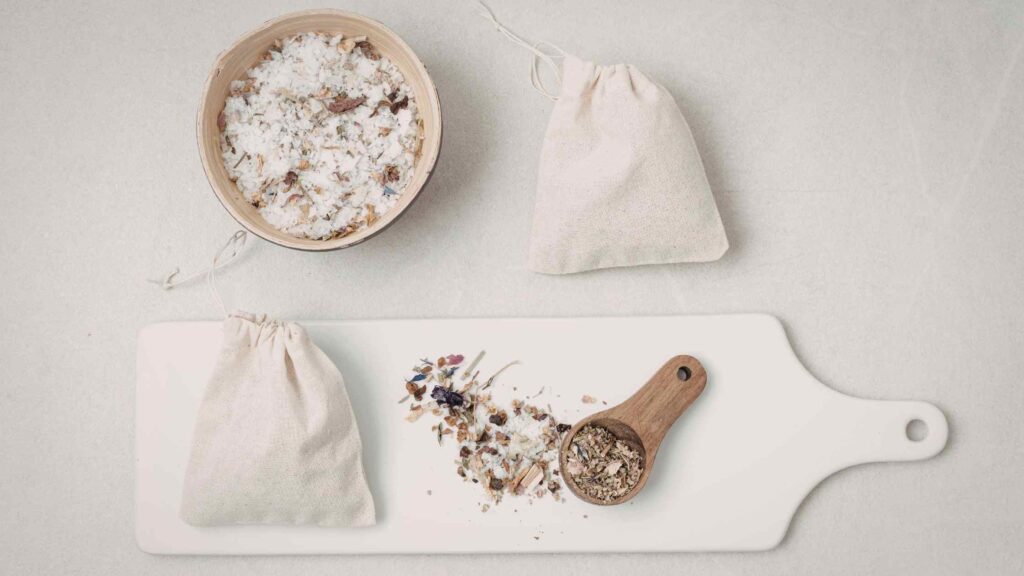
  • Epsom Salt Soak

A warm Epsom salt soak can help relax sore muscles and reduce stiffness around the joints. It may provide temporary relief after physical strain and help the body feel more relaxed and refreshed.

Knee pain, Joint pain

  • Herbal Teas

Herbal teas prepared with ingredients such as turmeric, ginger, cinnamon, or coriander may help support digestion and reduce inflammation naturally. Drinking warm herbal beverages regularly can support overall wellness and comfort.

Diet and Lifestyle Tips for Healthy Joints

Diet and lifestyle habits play an important role in maintaining strong and healthy joints. The right choices can help reduce inflammation, improve flexibility, and support overall mobility.

Including fresh vegetables, seasonal fruits, nuts, seeds, and warm homemade meals in the diet can support joint health naturally. Foods rich in nutrients and antioxidants may help protect the joints and improve flexibility over time. At the same time, reducing processed foods, excess sugar, unhealthy fats, and packaged snacks may help reduce inflammation in the body.

Knee pain, Joint pain

Regular movement is equally important. Gentle stretching, walking, yoga, and low impact exercises help improve circulation and reduce stiffness. Maintaining proper posture while sitting, standing, or working can also reduce pressure on the knees and joints.

Natural remedies for knee pain and joint pain work best when combined with healthy routines, balanced nutrition, and mindful movement that support long term comfort and mobility.

Common Mistakes That Can Worsen Knee and Joint Pain

Certain daily habits may unknowingly increase joint discomfort and slow down recovery. Small lifestyle changes can make a big difference in supporting joint health. Avoiding these common mistakes can help improve mobility, reduce stiffness, and support long term comfort naturally. 

Sedentary Lifestyle

Long hours of sitting and lack of movement can weaken muscles and increase stiffness in the joints.

Poor Physical Activity Habits

Avoiding regular stretching or exercise may reduce flexibility and worsen discomfort over time.

Unhealthy Diet

Processed foods, excess sugar, and unhealthy fats may contribute to inflammation in the body.

Ignoring Early Symptoms

Delaying care or neglecting discomfort can allow joint issues to become more severe.

Depending Only on Temporary Relief

Relying only on quick solutions without addressing lifestyle habits may lead to recurring pain.

Knee and joint pain can affect everyday comfort, movement, and overall quality of life. However, long term relief is possible through mindful lifestyle choices and natural healing practices. Natural remedies for knee pain and joint pain focus on reducing inflammation, improving flexibility, and supporting overall joint strength through holistic care. Simple habits such as balanced nutrition, regular movement, herbal support, and proper posture can make a significant difference over time. By following a consistent and natural approach, it is possible to improve mobility, reduce discomfort, and support healthier joints for a more active and comfortable life.

Holistic Healing Stories at Sri Sri Ayurveda Hospital

For those looking to deepen this journey, structured Ayurvedic care can offer additional support beyond daily routines. Personalized treatment packages at Sri Sri Ayurveda Hospital are designed to address stress, fatigue and lifestyle related imbalances through time tested therapies and expert guidance. Exploring the right treatment package can help reinforce the foundation you build through your routine and support long term wellbeing.

Migraine and headache are becoming increasingly common due to stress, disturbed sleep, excessive screen time, and fast-paced lifestyles. These recurring headaches can affect concentration, productivity, and overall well-being. As more people seek natural solutions instead of temporary relief, holistic healing methods are gaining attention. 

Ayurvedic remedies for migraines focus on supporting the body through balanced nutrition, healthy lifestyle habits, herbal support, and calming therapies. Rather than simply masking symptoms, Ayurveda aims to restore internal balance naturally and help reduce the frequency and intensity of migraines over time. 

Common Causes and Symptoms of Migraine 

  • Stress and Mental Strain
    High stress levels can aggravate dosha imbalance and trigger frequent headaches or migraines.
  • Poor Sleep Patterns
    Lack of proper sleep or irregular sleep schedules can increase the chances of recurring migraines.
  • Unhealthy Eating Habits
    Skipping meals, processed foods, and irregular eating patterns may disturb digestion and worsen headaches.
  •  Excessive Screen Exposure
    Long hours in front of screens can strain the eyes and contribute to migraine symptoms.
  • Common Symptoms
    Throbbing pain, nausea, dizziness, fatigue, and sensitivity to light are common signs. Ayurvedic remedies for migraines focus on addressing these triggers naturally for long-term relief.

Best Ayurvedic Remedies for Migraine and Headache

  • Nasya Therapy
    Nasya involves the application of medicated oils through the nasal passages to help clear toxins, calm the mind, and reduce headache intensity. It is widely used in Ayurvedic remedies for migraines to support better head and sinus health.
  • Brahmi
    Brahmi is a well-known Ayurvedic herb that helps relax the nervous system, reduce stress, and improve mental clarity, making it beneficial for migraine management.
  • Shirodhara
    This calming therapy involves a continuous flow of warm herbal oil on the forehead, helping reduce stress, improve sleep, and ease migraine-related discomfort.
  • Herbal Teas
    Herbal teas made with ingredients like ginger, coriander, or mint can help support digestion, reduce stress, and provide soothing relief from headaches naturally.
  • Abhyanga
    Abhyanga, or warm oil massage, helps relax the body, improve circulation, and calm aggravated doshas. It plays an important role in Ayurvedic remedies for migraines by reducing tension and promoting overall balance.
Migraine, Headache


Diet and Lifestyle Tips for Migraine Relief 

  • Include Fresh and Nourishing Foods
    Ayurvedic remedies for migraines encourage fresh fruits, vegetables, and warm homemade meals to support balance and healthy digestion.
  • Stay Properly Hydrated
    Drinking enough water throughout the day helps reduce common migraine triggers linked to dehydration.
  • Avoid Processed and Trigger Foods
    Excessive caffeine, processed foods, and irregular eating habits may worsen headaches and migraines.
  • Maintain a Consistent Sleep Routine
    Proper sleep helps calm the nervous system and reduce migraine frequency.
  • Reduce Screen Time and Stress
    Limiting screen exposure and practising relaxation techniques can help prevent headache triggers naturally.
  • Follow a Balanced Daily Routine
    Simple lifestyle habits and regular meal timings support long-term migraine management and overall well-being.
Migraine, Headache

Migraines and headaches can greatly affect daily life, but healing becomes more effective when the root cause is addressed naturally. Ayurvedic remedies for migraines focus on restoring balance through mindful lifestyle habits, proper nutrition, stress management, and holistic therapies. With consistency and the right guidance, Ayurveda can help reduce the frequency and intensity of migraines while supporting overall well-being. Choose a holistic path toward long-term relief and take a step toward a healthier, more balanced life naturally. 

Holistic Healing Stories at Sri Sri Ayurveda Hospital

For those looking to deepen this journey, structured Ayurvedic care can offer additional support beyond daily routines. Personalized treatment packages at Sri Sri Ayurveda Hospital are designed to address stress, fatigue and lifestyle related imbalances through time tested therapies and expert guidance. Exploring the right treatment package can help reinforce the foundation you build through your routine and support long term wellbeing.

Ayurvedic postpartum care focuses on restoring a new mother’s strength, balance, and overall well-being after childbirth. During this delicate phase, the body undergoes significant physical and emotional changes, making proper care essential. One of the most important practices in Ayurvedic postpartum care is Abhyanga, a warm oil massage that helps nourish tissues, improve circulation, and calm the nervous system. This gentle yet powerful therapy supports recovery, reduces fatigue, and promotes relaxation, helping new mothers heal naturally and regain their vitality with consistent care. 

The 42-Day Window: Why Ayurveda Calls This Period Critical

In Ayurvedic postpartum care, the first 42 days after childbirth are considered a crucial recovery period when the body is highly sensitive and needs focused support. This phase, often referred to as Sutika Kala, is when the body is rebuilding strength, balancing hormones, and healing internally. If proper care is neglected during this time, it can lead to long term imbalances like fatigue, weak digestion, or joint discomfort. Prioritizing rest, nourishment, and gentle therapies during this window helps ensure smoother recovery and lasting well being.

The Invisible Imbalance: Vata Surge After Delivery

In Ayurvedic postpartum care, childbirth is known to create a sudden surge in Vata, the dosha linked to movement and dryness. This often shows up as fatigue, anxiety, disturbed sleep, dryness in the body, and even joint instability. These subtle imbalances may go unnoticed in modern care, where the focus is often only on physical recovery. However, without addressing this Vata increase, it can affect long term health. Ayurveda emphasizes calming and grounding the body during this phase to restore balance and support deeper healing. 

Why Abhyanga Is Essential for New Mothers

In Ayurvedic postpartum care, Abhyanga is not seen as a luxury or simple relaxation technique but as a vital reconstruction therapy for the body. After childbirth, tissues become depleted, joints may feel unstable, and Vata imbalance increases. Abhyanga uses warm, nourishing oils to deeply penetrate the tissues, helping to rebuild strength, improve circulation, and restore stability. It supports muscle recovery, lubricates joints, and calms the nervous system, which is often overstimulated during this phase.

Emotional and Healing Benefits of Abhyanga in Postpartum Care 

  • Supports Emotional Balance
    Abhyanga helps calm the mind and promotes a sense of stability during the postpartum phase.
  • Reduces Anxiety
    Regular practice can ease feelings of stress and anxiety commonly experienced after delivery.
  • Improves Sleep Quality
    It helps relax the nervous system, making it easier to achieve deeper and more restful sleep.
  • Creates a Grounding Effect
    Abhyanga brings a sense of comfort and connection, helping new mothers feel more centered.
  • Essential in Ayurvedic Postpartum Care
    This daily practice helps reverse the strain of delivery and supports long term health.
  • Promotes Faster Recovery
    Consistent practice helps the body heal more efficiently and supports overall postpartum wellness.

When, How, and With What Oils

  • When to Start
    In Ayurvedic postpartum care, Abhyanga is usually started soon after delivery, based on individual recovery and proper guidance.
  • How Often to Do It
    Daily practice is recommended to support consistent healing and restore balance in the body.
  • How to Perform
    The massage should be gentle and focused, especially on the abdomen, lower back, and joints that experience the most strain.
  • Which Oils to Use
    Warm, nourishing oils like sesame based formulations are preferred for their grounding and healing properties.
  • Aftercare Matters
    Taking a warm bath after Abhyanga helps the oil absorb better and enhances the overall healing effect.

Postpartum care emphasizes deep healing, not just recovery, and Abhyanga plays a vital role in this process. By nourishing the body, calming the mind, and restoring internal balance, it supports new mothers through a smoother and more complete recovery. When practiced consistently, Abhyanga helps rebuild strength and prevent long term imbalances. Choosing Ayurvedic postpartum care is about giving the body the attention it truly needs during this transformative phase.

Holistic Healing Stories at Sri Sri Ayurveda Hospital

For those looking to deepen this journey, structured Ayurvedic care can offer additional support beyond daily routines. Personalized treatment packages at Sri Sri Ayurveda Hospital are designed to address stress, fatigue and lifestyle related imbalances through time tested therapies and expert guidance. Exploring the right treatment package can help reinforce the foundation you build through your routine and support long term wellbeing.

Hyperacidity occurs when excess stomach acid leads to burning, indigestion, and discomfort after meals. With fast-paced lifestyles, irregular eating, stress, and processed foods, it has become increasingly common. In Ayurveda, this condition is called Amla Pitta, caused by an imbalance in the Pitta dosha. When aggravated, Pitta increases heat and disrupts digestion. Managing hyperacidity focuses on restoring this balance through a mindful diet and lifestyle changes.

Early Warning Signs of Hyperacidity You Should Not Ignore

Hyperacidity often starts with mild symptoms that are easy to ignore. Frequent heartburn, a sour taste in the mouth, bloating, and a feeling of heaviness after meals are common early signs. Some may also experience nausea or a burning sensation in the throat. Overlooking these symptoms can worsen the condition over time. Recognising them early is important for managing hyperacidity and taking simple steps to restore digestive balance.

Common Causes of Hyperacidity You Should Know

  • Understand the root: Managing hyperacidity begins with identifying its underlying causes
  • Irregular eating: Skipping meals or inconsistent timings can trigger excess acid production
  • Diet choices: Spicy, oily, and processed foods can aggravate acidity
  • Lifestyle impact: Stress and poor sleep disrupt digestion and worsen the condition
  • Low activity: A sedentary lifestyle contributes to digestive imbalance
  • Take action: Correcting these habits supports managing hyperacidity and long-term digestive balance

5 Best Ayurvedic Tips to Manage Hyperacidity Naturally

  • Eat at the Right Time
    Following regular meal timings helps maintain a stable digestive cycle and prevents excess acid buildup in the stomach.
  • Choose Cooling Foods
    Include foods like cucumber, coconut water, and fresh fruits that help calm excess heat and soothe the digestive system.
  • Stay Hydrated
    Drinking enough water throughout the day helps dilute stomach acid and supports smooth digestion.
  • Manage Stress
    Stress directly impacts digestion, so practices like deep breathing, yoga, or meditation can help keep acidity in control.
  • Improve Digestion
    Focus on light, easily digestible meals and avoid overeating to support a healthy digestive fire and reduce acid production.
Hyperacidity

Daily Practices for Long-Term Acidity Relief

  • Follow Dinacharya: A consistent daily routine supports managing hyperacidity effectively
  • Start right: Begin your day with warm water to stimulate digestion
  • Eat on time: Maintain regular meal timings with proper gaps between meals
  • Practice mindful eating: Eat slowly and avoid distractions
  • Support balance: Ensure adequate sleep and include light physical activity for digestive wellness

Managing hyperacidity naturally is not about quick fixes, but about building consistent and sustainable habits. By making mindful choices in your diet, routine, and lifestyle, you can support your body’s balance and improve digestion over time. Small, consistent efforts can create a lasting impact. Focusing on managing hyperacidity through simple Ayurvedic practices can help you move toward long-term relief and better digestive health.

Holistic Healing Stories at Sri Sri Ayurveda Hospital

For those looking to deepen this journey, structured Ayurvedic care can offer additional support beyond daily routines. Personalized treatment packages at Sri Sri Ayurveda Hospital are designed to address stress, fatigue and lifestyle related imbalances through time tested therapies and expert guidance. Exploring the right treatment package can help reinforce the foundation you build through your routine and support long term wellbeing.

Kidney stones are not just a physical condition but a sign that the body is struggling to maintain internal balance. The sharp pain, discomfort during urination, and sudden disruptions in daily life are often the result of deeper metabolic issues. Ayurveda Remedies for Kidney stones relief views kidney stones as a consequence of weak digestion, toxin accumulation, and improper fluid metabolism, which together lead to crystallization in the urinary tract.

Rather than focusing only on temporary relief, Ayurveda works at the root level. When digestion improves and toxins are cleared, the body naturally becomes more capable of preventing and eliminating stones. With the right remedies for kidney stone, along with supportive diet and lifestyle practices, you can move toward long term relief and sustainable kidney health.

Ayurvedic Remedies for Kidney Stones and How They Work

Ayurvedic remedies for kidney stonesare designed to gently support the body’s natural processes. Instead of forcing elimination, they enhance detoxification, improve kidney function, and restore balance.

Gokshura
Gokshura supports urinary health by improving urine flow and reducing irritation in the urinary tract. Its natural diuretic action helps flush out toxins and small stone forming particles, making it effective in preventing further buildup.

Varuna Bark
Varuna is known for its ability to break down mineral deposits. It works by supporting the gradual dissolution of kidney stones while strengthening the urinary system, reducing the chances of recurrence.

Punarnava
Punarnava plays a key role in rejuvenating kidney function. It reduces inflammation, supports fluid balance, and helps the body eliminate excess waste and toxins more efficiently.

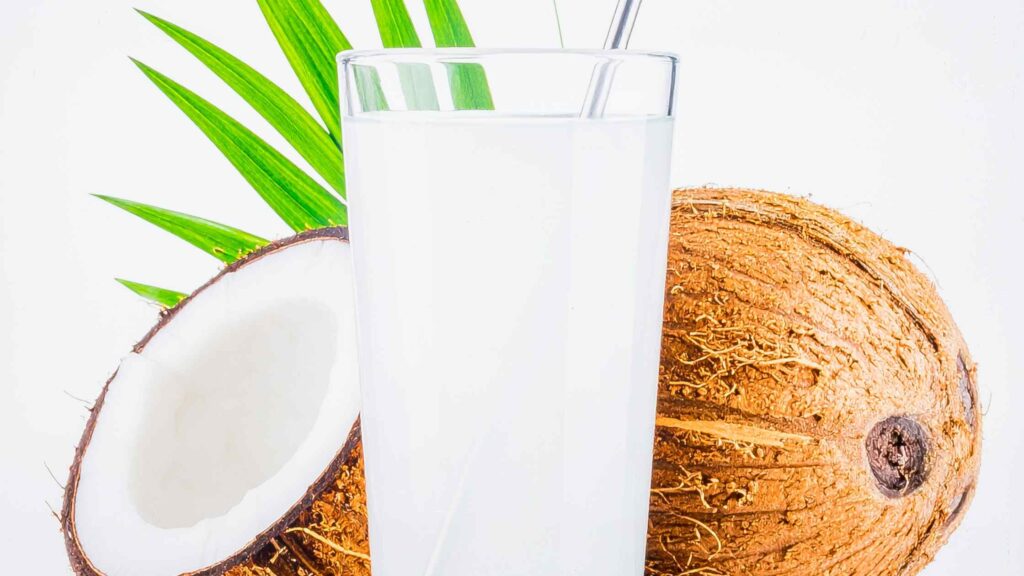
Coconut Water
Coconut water acts as a natural coolant and hydrator. It promotes frequent urination, which helps in flushing out toxins and smaller stones, while also soothing the urinary tract.

Barley Water
Barley water supports detoxification and improves digestion. By reducing toxin accumulation and preventing mineral buildup, it helps lower the risk of stone formation over time.

Lemon and Honey Remedy
This combination helps maintain a balanced internal environment. Lemon supports the breakdown of certain types of stones, while honey provides soothing and nourishing support, making the elimination process gentler.

Remedies for Kidney Stones

By incorporating these Ayurvedic remedies for kidney stones, Ayurveda helps reduce recurrence and restore kidney health.

Ayurvedic Diet Tips to Support Kidney Stone Dissolution

Diet is one of the most powerful tools in managing kidney stones. Ayurveda emphasizes eating in a way that supports digestion and prevents toxin buildup.

Focus on warm, freshly prepared meals that are easy to digest. Include seasonal fruits and vegetables that naturally hydrate the body and provide essential nutrients. Staying consistently hydrated is crucial, as it helps dilute minerals and supports their elimination.

Avoid salty, processed, and overly oily foods, as they contribute to toxin accumulation and disturb internal balance. Instead, choose foods that enhance digestion and promote efficient metabolism, allowing the body to function optimally.

Common Mistakes That Can Worsen Kidney Stones

Many everyday habits unknowingly increase the risk of kidney stones and make existing conditions worse.

  • Low Water Intake
    Dehydration allows minerals to concentrate, increasing the likelihood of stone formation.
  • Excessive Salty and Processed Foods
    These disrupt internal balance and contribute to toxin buildup.
  • Frequent Consumption of Fried Foods
    Heavy foods weaken digestion and promote the accumulation of waste.
  • Ignoring Early Symptoms
    Delaying care can lead to more severe pain and complications.
  • Lack of Physical Activity
    Movement supports metabolism and helps the body eliminate toxins effectively.
  • Irregular Eating Habits
    Inconsistent meal timings disturb digestion and create conditions that favor stone formation.

Kidney stones are often a recurring issue when only symptoms are treated. Ayurveda offers a more sustainable path by addressing the root cause and supporting the body’s natural healing mechanisms.

By combining the right remedies for kidney stones relief with mindful eating and balanced

daily habits, you create an internal environment where stones are less likely to form. Over time, this approach not only reduces discomfort but also strengthens overall well-being.

Consistency is key. Small, daily changes can lead to significant long term results, helping you move toward a healthier, more balanced life with stronger kidney function.

Holistic Healing Stories at Sri Sri Ayurveda Hospital

For those looking to deepen this journey, structured Ayurvedic care can offer additional support beyond daily routines. Personalized treatment packages at Sri Sri Ayurveda Hospital are designed to address stress, fatigue and lifestyle related imbalances through time tested therapies and expert guidance. Exploring the right treatment package can help reinforce the foundation you build through your routine and support long term wellbeing.

Period pain is often treated as something women simply have to tolerate, but Ayurveda offers a very different perspective on Period Pain Relief. According to Ayurveda, pain during menstruation is a signal of imbalance, not a normal monthly experience. When the body is in harmony, the menstrual cycle flows with minimal discomfort. The good news is that you do not need to rely only on painkillers. With the right Ayurvedic practices, you can support your body naturally and experience relief without side effects. From soothing herbs to simple daily rituals and the best morning drinks, Ayurveda provides a holistic path to ease menstrual cramps and restore balance.

What Causes Menstrual Cramps According to Ayurveda

  • Vata Dosha Imbalance
    Aggravated Vata creates spasms and constriction in the pelvic region, leading to pain and discomfort during menstruation.
  • Weak Digestion or Low Agni
    Poor digestion disrupts the body’s internal balance and affects hormonal regulation.
  • Accumulation of Ama (Toxins)
    Toxins formed due to weak digestion block the natural flow of blood and energy, intensifying cramps.
  • Stress and Poor Sleep
    Mental strain and lack of rest disturb hormonal balance and increase sensitivity to pain.
  • Cold, Processed, and Irregular Eating Habits
    These aggravate Vata and weaken digestion, creating a recurring cycle of menstrual discomfort.

5 Best Ayurvedic Remedies for Period Pain Relief

Period Pain Relief, Menstrual Cramps

  • Ginger and Fennel Herbal Tea
    One of the best morning drinks for period pain relief, it reduces inflammation, improves circulation, and relaxes uterine muscles.
  • Warm Oil Massage (Abhyanga)
    Applying warm sesame oil to the lower abdomen helps calm Vata and provides quick relief from cramps.
  • Heat Therapy
    Using a hot water bag on the abdomen improves blood flow and eases muscle tension effectively.
  • Ayurvedic Herbs (Ashoka and Shatavari)
    These herbs support hormonal balance and strengthen the reproductive system, reducing pain over time.
  • Warm Water and Hydration
    Sipping warm water throughout the day helps flush out toxins, supports digestion, and prevents Vata aggravation.

Ayurvedic Diet for Pain Free Periods

What you eat plays a crucial role in how you experience your cycle. Ayurveda emphasizes warm, nourishing, and easy to digest foods during menstruation.

Focus on freshly cooked meals such as khichdi, soups, and lightly spiced vegetables. These foods support digestion and prevent the buildup of Ama. Including the best morning drinks like warm water with ginger or herbal infusions can set the tone for better digestion throughout the day.

Avoid cold, raw, and processed foods, as they aggravate Vata and weaken Agni. Excess caffeine, sugar, and fried foods can also increase inflammation and make cramps worse.

Spices like cumin, coriander, and turmeric can be added to meals to enhance digestion and reduce discomfort. Eating at regular times and avoiding overeating are simple yet powerful steps toward pain free periods.

Lifestyle Practices That Reduce Cramps

Your daily routine has a direct impact on menstrual health. Ayurveda encourages aligning your lifestyle with natural rhythms to maintain balance.

Yoga can be incredibly beneficial when practiced gently. Poses like child’s pose, cat cow stretch, and supine twists help relax the abdominal muscles and improve circulation.

Sleep is equally important. Going to bed on time allows the body to repair and regulate hormones effectively. Lack of rest can aggravate Vata and increase sensitivity to pain.

Stress management plays a major role as well. Practices like deep breathing and meditation calm the nervous system and reduce the intensity of cramps.

Following a consistent daily routine, known as Dinacharya, helps stabilize the body. Waking up early, having warm and nourishing meals, and incorporating the best morning drinks into your routine can create a strong foundation for overall menstrual health.

Ayurveda teaches that menstrual pain is not something you have to accept as normal. It is a message from your body asking for balance and care. By understanding the root causes and making small, consistent changes in your diet, lifestyle, and daily habits, you can experience natural and lasting relief. From calming herbal teas to mindful routines and nourishing foods, these practices work together to support your body holistically. Start with simple steps, stay consistent, and allow your body to move toward a more comfortable and balanced cycle.

Holistic Healing Stories at Sri Sri Ayurveda Hospital

For those looking to deepen this journey, structured Ayurvedic care can offer additional support beyond daily routines. Personalized treatment packages at Sri Sri Ayurveda Hospital are designed to address stress, fatigue and lifestyle related imbalances through time tested therapies and expert guidance. Exploring the right treatment package can help reinforce the foundation you build through your routine and support long term wellbeing.

You can sleep well, eat healthy, and still wake up feeling low on energy if your digestion is off. That heavy, sluggish feeling in the morning often starts in the gut. The good news is, small changes can make a big difference. Choosing the best morning drinks can help wake up your system, improve digestion, and give you steady energy to start your day right.

Understanding Your Body Type (Doshas)

Before choosing the right drink, it helps to understand your dosha. Ayurveda groups body types into three energies

Vata
Light, dry, and cold. Often prone to bloating and irregular digestion

Pitta
Hot and intense. Strong digestion but sensitive to acidity and inflammation

Kapha
Heavy and slow. Tends toward sluggish digestion and low morning energy

The same drink does not work equally for everyone. The goal is to support your natural balance, not follow a one size fits all routine.

5 Best Morning Drinks for Energy and Gut Health

Best Morning Drinks

1. Warm Lemon Water

How to make:
ke Squeeze half a fresh lemon into a glass of warm water and mix well

Key benefits:
Stimulates digestion and gently detoxifies the system
Boosts hydration after sleep which improves energy levels
Supports liver function and helps reduce bloating

Who should avoid:
People with high acidity or sensitive enamel should use it in moderation

2. Jeera Water

How to make:
Soak one teaspoon of cumin seeds overnight or boil them in water and strain before drinking

Key benefits:
Enhances digestive enzyme activity
Reduces bloating and improves nutrient absorption
Provides a steady, natural energy boost without stimulants

Who should avoid:
Generally safe, but excessive intake may cause dryness in Vata types

3. Ginger Tea

How to make:
Boil fresh grated ginger in water for a few minutes and strain. Add a little honey if needed

Key benefits:
Activates sluggish digestion and boosts metabolism
Reduces inflammation in the gut
Improves circulation, leading to better morning energy

Who should avoid:
People with high Pitta or heat sensitivity should keep it mild

4. Aloe Vera Juice

How to consume:
Mix two tablespoons of fresh or pure aloe vera juice in a glass of water and drink

Key benefits:
Soothes the digestive tract and supports gut healing
Helps regulate bowel movements
Naturally refreshing and cooling, improving energy balance

Who should avoid:
Pregnant women and those with very weak digestion should consult before use

5. Apple Cider Vinegar Drink

How to make:
Mix one teaspoon of apple cider vinegar in a glass of warm water and add a little honey

Key benefits:
Supports gut bacteria balance
Helps regulate blood sugar, which impacts energy levels
Aids digestion and reduces bloating

Who should avoid:
People with acid reflux or a sensitive stomach lining

Mistakes That Weaken Digestion (Agni)

Even the best morning drinks for energy and gut health will not work if certain habits weaken your digestion

  • Drinking ice-cold beverages
    Cold temperatures shock the digestive system and slow down Agni
  • Mixing incompatible foods
    Combining heavy, processed, and mismatched foods creates toxins in the body
  • Overloading detox drinks
    Too many ingredients or strong combinations can overwhelm digestion instead of supporting it
  • Ignoring your body type
    Following trends without understanding your dosha can do more harm than good

The secret to choosing the best morning drinks for energy and gut health lies in simplicity and consistency. You do not need complicated recipes or extreme detox routines. What matters is selecting drinks that support your digestion, align with your body type, and become a sustainable part of your daily rhythm. Start with one drink, observe how your body responds, and build a routine that feels natural. That is where real energy and long-term gut health begin.

Holistic Healing Stories at Sri Sri Ayurveda Hospital

For those looking to deepen this journey, structured Ayurvedic care can offer additional support beyond daily routines. Personalized treatment packages at Sri Sri Ayurveda Hospital are designed to address stress, fatigue and lifestyle related imbalances through time tested therapies and expert guidance. Exploring the right treatment package can help reinforce the foundation you build through your routine and support long term wellbeing.

Pneumonia has emerged as a growing health concern across all age groups, affecting children, adults, and the elderly alike. Modern lifestyles, fluctuating immunity levels, environmental pollution, and recurring respiratory infections have made the lungs increasingly vulnerable. Ayurveda offers a broader, time-tested perspective. It views pneumonia not merely as a lung infection but as a deeper imbalance within the body that affects breath, vitality, and immunity. Through holistic remedies for pneumonia, Ayurveda aims to restore balance, strengthen respiratory function, and support complete recovery.

Causes of Pneumonia

From an Ayurvedic perspective, pneumonia does not appear suddenly. It develops when internal balance is gradually disturbed and the lungs become a weak point. Some of the most common causes include:

  • Aggravation of Kapha dosha
    Excess Kapha leads to increased mucus formation in the chest and lungs. This creates heaviness, congestion, coughing, and difficulty in breathing, setting the stage for infection.
  • Disturbance of Vata dosha
    When Vata becomes imbalanced, the natural flow of breath is disrupted. This results in breathlessness, chest tightness, fatigue, and irregular breathing patterns.
  • Seasonal and environmental exposure
    Cold weather, sudden climate changes, polluted air, and prolonged exposure to damp or dusty environments weaken lung resistance and increase susceptibility to respiratory infections.
  • Weak digestion and toxin accumulation
    Poor digestive strength leads to the formation of ama, or toxins, which circulate through the body and lodge in the respiratory system. This weakens lung tissue and delays natural healing.
  • Low immunity and repeated infections
    Frequent colds, untreated coughs, and weakened immunity gradually damage respiratory strength, making the lungs more vulnerable to serious conditions like pneumonia.

Core Ayurvedic Remedies for Pneumonia

Ayurveda approaches pneumonia by calming aggravated doshas, clearing congestion from the chest, and restoring the natural flow of breath. Treatment is always guided by the stage of illness and the patient’s strength. Here are a few of the Ayurvedic remedies for pneumonia.

Kapha-pacifying internal care
When excess Kapha accumulates in the lungs, Ayurvedic care focuses on reducing heaviness and congestion. Carefully selected herbal preparations are given to help loosen thick mucus, support expectoration, and relieve chest tightness.

Support for clear and comfortable breathing
Ayurveda places strong emphasis on maintaining the smooth flow of breath. Internal medicines are chosen to support the Pranavaha Srotas, helping reduce breathlessness and improve lung comfort without strain.

Herbal Applications
Gentle external treatments such as warm herbal applications over the chest and upper back are traditionally used to ease stiffness, support circulation, and provide comfort during recovery. These therapies help reduce chest congestion and promote relaxation.

Remedies for pneumonia

Swedana
In selected cases and under supervision, mild sudation therapies are used to help open blocked channels and reduce Kapha accumulation. This supports easier breathing and improves response to internal care.

Rasayana Therapy
Once acute symptoms settle, Ayurveda focuses on rebuilding strength. Rasayana therapies are introduced to nourish lung tissues, restore vitality, and support long-term immunity.

The Role of Nutrition in Healing

Nutrition plays a vital role in Ayurvedic healing and is considered an essential remedy for pneumonia. During lung infections, the digestive fire is usually weak, so food must be light, warm, and easy to digest. Freshly prepared meals help reduce toxin formation and support tissue repair.

Foods that calm inflammation and mucus include warm vegetable soups, rice gruel, cooked vegetables, and mild spices such as ginger, black pepper, cumin, and turmeric. These ingredients help stimulate digestion, clear congestion, and support respiratory comfort. Herbal drinks prepared with ginger or Tulsi are often recommended to soothe the throat and chest.

Certain common foods can slow recovery and should be avoided during illness. Cold foods, refrigerated items, dairy products, fried snacks, refined sugar, and heavy meals increase Kapha and mucus production. These foods burden digestion and delay healing. Ayurveda emphasizes mindful eating, proper meal timing, and adequate hydration with warm liquids to support lung recovery naturally.

Recovery, Prevention, and Long-Term Care

Recovery from pneumonia does not end with the disappearance of symptoms. Ayurveda places strong emphasis on rebuilding immunity and lung strength after illness. Gradual strengthening of digestion, respiratory capacity, and overall vitality is essential for complete healing.

Immunity can be enhanced through appropriate Rasayana support, balanced nutrition, adequate rest, and gentle lifestyle routines. Breathing practices and mild yoga, when advised by a physician, help restore lung function and improve oxygen intake. Avoiding exposure to cold, dust, and pollutants during recovery is equally important.

Seasonal care is especially crucial for vulnerable individuals such as children, older adults, and those with chronic respiratory issues. Ayurveda recommends seasonal regimens that align diet and lifestyle with climatic changes. These preventive measures reduce dosha aggravation and protect the lungs from recurring infections.

Pneumonia can leave the body feeling drained, the breath heavy, and recovery uncertain. Ayurveda looks at this phase with patience and care, recognizing that healing the lungs also means restoring strength, digestion, and confidence in the body’s ability to heal. Rather than rushing the process, Ayurveda remedies for Pneumonia support recovery step by step, allowing the breath to become lighter and energy to return naturally. With proper care, rest, and nourishment, the body can regain its natural rhythm of breathing and move forward with strength and ease.

Holistic Healing Stories at Sri Sri Ayurveda Hospital

For those looking to deepen this journey, structured Ayurvedic care can offer additional support beyond daily routines. Personalized treatment packages at Sri Sri Ayurveda Hospital are designed to address stress, fatigue and lifestyle related imbalances through time tested therapies and expert guidance. Exploring the right treatment package can help reinforce the foundation you build through your routine and support long term wellbeing.

2026 is not asking you to push harder or optimise every hour of your day. It is asking you to slow the noise and return to what actually supports your mind and body. Burnout has become common. Notifications never stop. Mental fatigue shows up even before the day begins. This is not a motivation problem. It is an overload problem.

This 2026 routine is designed for real life. It is simple, flexible and supportive rather than demanding. Instead of chasing hacks or perfect schedules, it helps you build focus, emotional steadiness and sustainable energy in a way that feels natural and doable.

The Three Pillars That Change Focus, Mood and Energy

This 2026 routine is built on three essential pillars.

Nervous system balance
Focus improves when the body feels calm and safe. Without this balance, productivity becomes forced and draining.

Mental clarity
Clarity does not come from positive thinking. It comes from fewer inputs, intentional pauses and clearer boundaries with attention.

Physical rhythm
Energy follows rhythm more than motivation. When your day has a steady flow, the body supports you instead of resisting.

2026 Routine

Morning Set the Tone in Fifteen to Thirty Minutes

The morning shapes how the mind responds to everything that follows. When the day begins in a rush, the nervous system stays reactive for hours. A simple 2026 routine starts by slowing the first few moments after waking.

Begin by giving yourself a buffer before engaging with screens or tasks. Even five quiet minutes help the mind arrive fully. Gentle awareness of the breath or body creates a sense of steadiness before thoughts take over.

Light movement supports alertness without stress. Stretching, a short walk, or slow breathing wakes the body gradually and improves focus naturally. This is not about productivity. It is about starting the day with clarity instead of urgency.

Midday Protect Your Energy with a Short Reset

By midday, most people feel drained, not because they worked too much but because they never paused. Continuous stimulation exhausts attention and flattens energy levels.

A short midday reset restores balance. Stepping away from screens, eating with awareness, or slowing the breath for a few minutes helps release mental tension. Even brief movement or fresh air signals the body that it is safe to relax and reset.

In a sustainable 2026 routine, these pauses are not optional. They prevent burnout and help maintain focus and emotional balance through the rest of the day.

Evening Clear the Mind Without Forcing Calm

Evenings are meant to help the system wind down, yet many people carry the mental weight of the entire day into the night. When the mind stays busy, sleep quality suffers.

An effective evening routine focuses on closure. Reducing stimulation, reflecting quietly on the day, or practising slow breathing helps the mind let go of unfinished thoughts. The body may already be tired, but the mind needs a clear signal that it is safe to rest.

When evenings are calm and intentional, sleep improves naturally. Over time, this supports better mood, sharper focus and more stable energy throughout the day.

What Makes This Routine Work in 2026

This 2026 routine works because it respects real life.

Flexibility matters more than rigid schedules. Consistency matters more than intensity. Missing a day does not undo progress. Returning gently is part of the process.

How to Start Without Overhauling Your Life

Do not try to change everything at once. Pick one habit that feels manageable. A morning pause, a midday reset or a simple evening wind down.

Progress matters more than perfection. Some days will feel focused and calm. Others will not. Both are part of building a sustainable 2026 routine that supports focus, mood and energy over time.

A simple 2026 routine is not about fixing yourself. It is about creating the right conditions for focus, balanced mood and steady energy to return naturally. When you stop pushing and start listening, the mind becomes clearer and the body more cooperative. Small daily choices add up quietly over time. You do not need a dramatic change. You need consistency, patience and a routine that supports you instead of demanding from you.

Holistic Healing Stories at Sri Sri Ayurveda Hospital

For those looking to deepen this journey, structured Ayurvedic care can offer additional support beyond daily routines. Personalized treatment packages at Sri Sri Ayurveda Hospital are designed to address stress, fatigue and lifestyle related imbalances through time tested therapies and expert guidance. Exploring the right treatment package can help reinforce the foundation you build through your routine and support long term wellbeing.

Scroll to Top